
About Us
- Home
- About
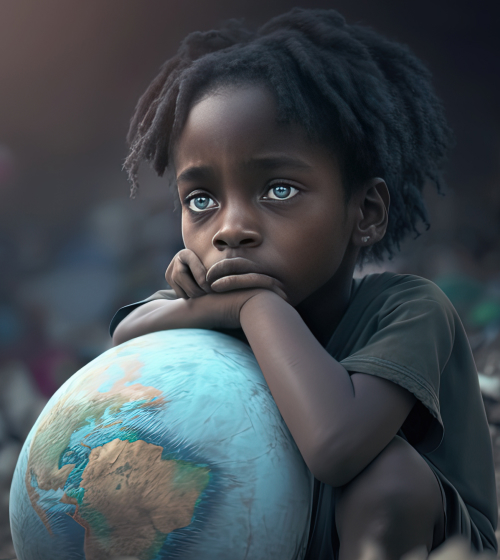
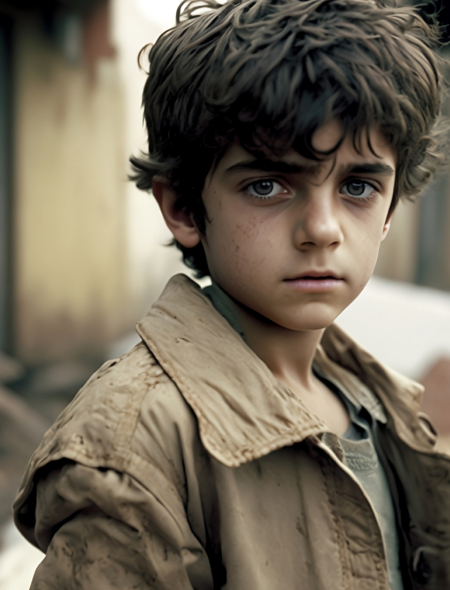
Welcome to Tsham Care Foundation
We’re on a Mission of Hope to Others.
Tsham Care is a non-profit organization dedicated to saving lives and ending poverty.
Tsham Care fully recognizes that poverty is complex and multi-faceted. As such, combatting it requires dynamic and integrated solutions. This is why Tsham Care takes a holistic approach to poverty alleviation, working across the relief-development spectrum in the areas of housing, healthcare, nutrition, education, water, sanitation, agriculture, and humanitarian assistance.
The vast majority of our Tsham Care’s work is built on a partnership model. Our local partners are essential to our mission. They allow us to reach remote areas, build relationships with those who we serve, and deepen our impact.
Our Vision
We seek a world of hope, tolerance and social justice, where poverty has been overcome and all people live in dignity and security.
Our Mission
Tsham works around the globe to save lives, defeat poverty and achieve social justice for all.
Our Focus
We put women and girls in the center because we know that we cannot overcome poverty until all people have equal rights and opportunities.
Tsham Care follows a set of Programming Principles in our emergency, rehabilitation and long-term development work. Tsham Care's principles are aligned with those of many other humanitarian agencies, and include:
- Promote empowerment for orphans and widows
- Work in partnership with others
- Ensure accountability and promote responsibility
- Address discrimination
- Promote the non-violent resolution of conflicts
- Seek sustainable results
How We Work
Tsham Care tackles the underlying causes of poverty and social injustice in order to deliver lasting change in the lives of poor and vulnerable people. We believe that at its root, poverty is caused by unequal power relations that result in inequitable distribution of resources and opportunities between women and men, between power-holders and marginalized communities and between countries. Poverty cannot be overcome without addressing these underlying power imbalances.
In 2016, thanks to the generous support of our funding partners, we reached over 70 million people in 94 countries around the world, supporting 962 poverty-fighting development and humanitarian aid projects. In addition, almost 256 million people benefited indirectly from our work through changes in policies, and through governments and other organizations replicating our projects and scaling up our innovations.